

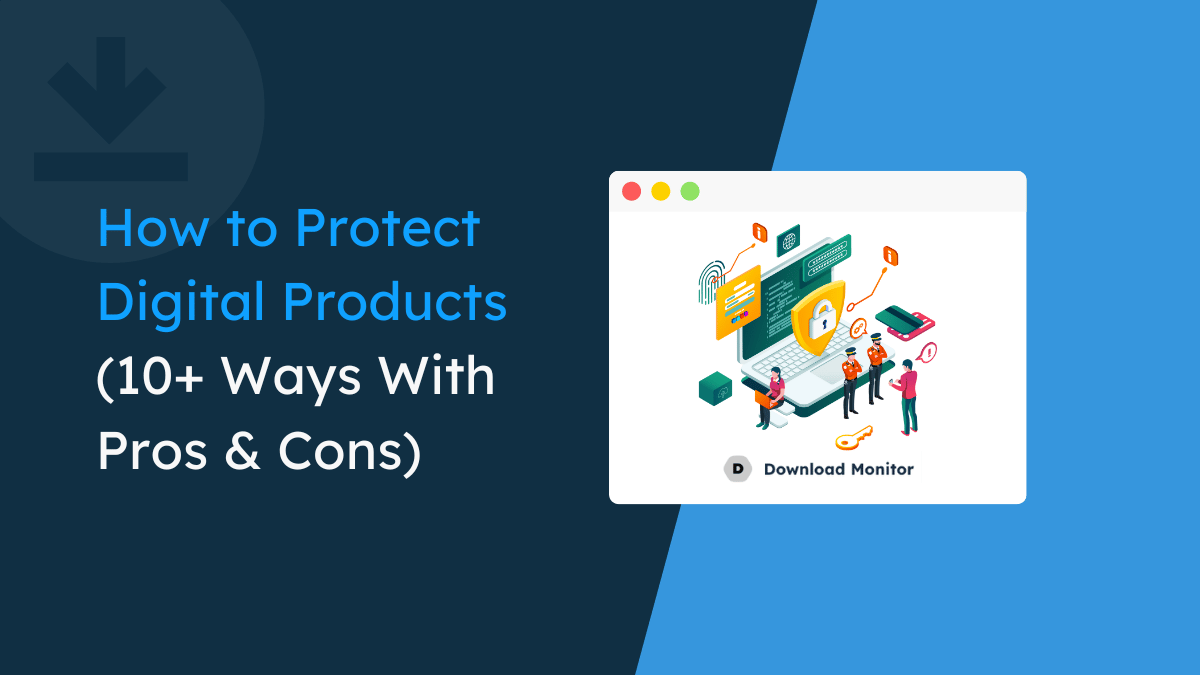
Selling digital products is one of the smartest ways to earn online — whether it’s eBooks, design templates, software, or online courses. But with great opportunity comes a major risk: digital piracy.
When your files are easy to download, they’re also easy to copy and share — which can eat into your profits and undermine your hard work.
The good news? You can protect your digital downloads effectively with a combination of smart tools, legal measures, and good business practices. Here’s how.
🧱 1. Use a Secure Platform
The first line of defense is the platform you use to host and deliver your files. Reputable platforms offer built-in security features like expiring links, encrypted delivery, and license validation.
Recommended Platforms:
-
Gumroad: Auto-expiring download links and license keys.
-
SendOwl: Time-limited and download-limited access.
-
Payhip: Built-in PDF stamping and watermarking.
-
Shopify (Digital Downloads app): Secure delivery with customer verification.
Pro Tip: Avoid sharing direct file URLs or hosting sensitive downloads on open cloud drives (like Google Drive or Dropbox without password protection).
🧾 2. Add Watermarks or Stamps
For visual content like images, design templates, or PDFs, watermarking is one of the simplest ways to prevent theft. It discourages people from redistributing your files without permission.
Tools to Use:
-
Canva Pro — for quick watermark overlays.
-
Adobe Acrobat — for PDF security and stamping.
-
Payhip PDF Stamping — automatically adds buyer information to each file.
Bonus: Stamping files with the buyer’s email or order ID adds a personalized layer of accountability.
⚙️ 3. Limit Access and Downloads
If your platform allows it, set restrictions on:
-
The number of downloads per purchase (e.g., 3 attempts).
-
Link expiration time (e.g., valid for 48 hours).
This ensures files don’t get passed around indefinitely.
Example: SendOwl and Gumroad automatically limit link validity — making it harder for files to be shared publicly.
🧠 4. Use License Keys for Software or Plugins
If you’re selling software, digital tools, or themes, license key validation is a must. It ensures only paying customers can access or activate your product.
Recommended Tools:
-
Easy Digital Downloads (EDD) License Manager
-
WooCommerce Software Add-On
-
SendOwl License Key Generator
These systems can also disable licenses if they’re shared or abused.
📜 5. Include a Digital Rights Disclaimer
Always include a copyright notice and clear terms of use in your files and on your product pages. This helps educate customers and gives you legal backing if your content is stolen.
Example disclaimer:
© 2025 [Your Brand Name]. All rights reserved. Redistribution or resale of this digital product without permission is strictly prohibited.
Also consider including:
-
A link to your terms of service
-
Instructions on what buyers can and cannot do
🕵️ 6. Monitor for Piracy
Even with strong protection, leaks can happen. Regularly monitor the web for unauthorized copies of your products.
How to Monitor:
-
Use Google Alerts for your product name or file titles.
-
Try tools like Copyscape or Plagscan for text-based products.
-
For visual assets, use Google Reverse Image Search or TinEye.
If you find your work stolen, you can file a DMCA takedown request to have it removed from search results or hosting platforms.
📦 7. Offer Value Beyond the File
No matter how much you protect your downloads, someone might still share them. The best long-term strategy? Offer ongoing value that pirates can’t replicate.
Examples:
-
Access to private communities or updates
-
Bonus materials for verified buyers
-
Personalized support or coaching sessions
When buyers know they’ll get more than just a file, they’ll prefer buying legitimately.
💬 8. Educate Your Customers
Sometimes, piracy happens unintentionally. Educate your customers through your product descriptions and thank-you emails about why buying directly supports creators like you.
A friendly reminder such as:
“This product is for your personal use only. Sharing it hurts small creators and prevents us from making more great content.”
can go a long way.
🏁 Final Thoughts
Protecting your digital downloads doesn’t mean locking everything behind complex systems — it means being smart, secure, and proactive.
Start by selling through trusted platforms, watermarking your files, setting access limits, and educating your buyers. Combine these tactics, and you’ll drastically reduce piracy while focusing on what really matters — creating and growing your digital business.
Remember: people can copy files, but they can’t copy your creativity.
Leave a Reply